
Spain
Avila Cathedral
Construction on the cathedral first began in the 12th century and continued up until the 17th century. As part of the Old Town of Avila, it was inscribed as a UNESCO World Heritage site in 1985.
Basilica of Sts. Vincent, Sabina and Cristeta
This basilica is built on traditional burial site of St. Vincent, a young deacon martyred for his faith in the 4th century under the reign of Diocletian. The church houses his relics and those of fellow martyrs Sts. Sabina and Cristeta.
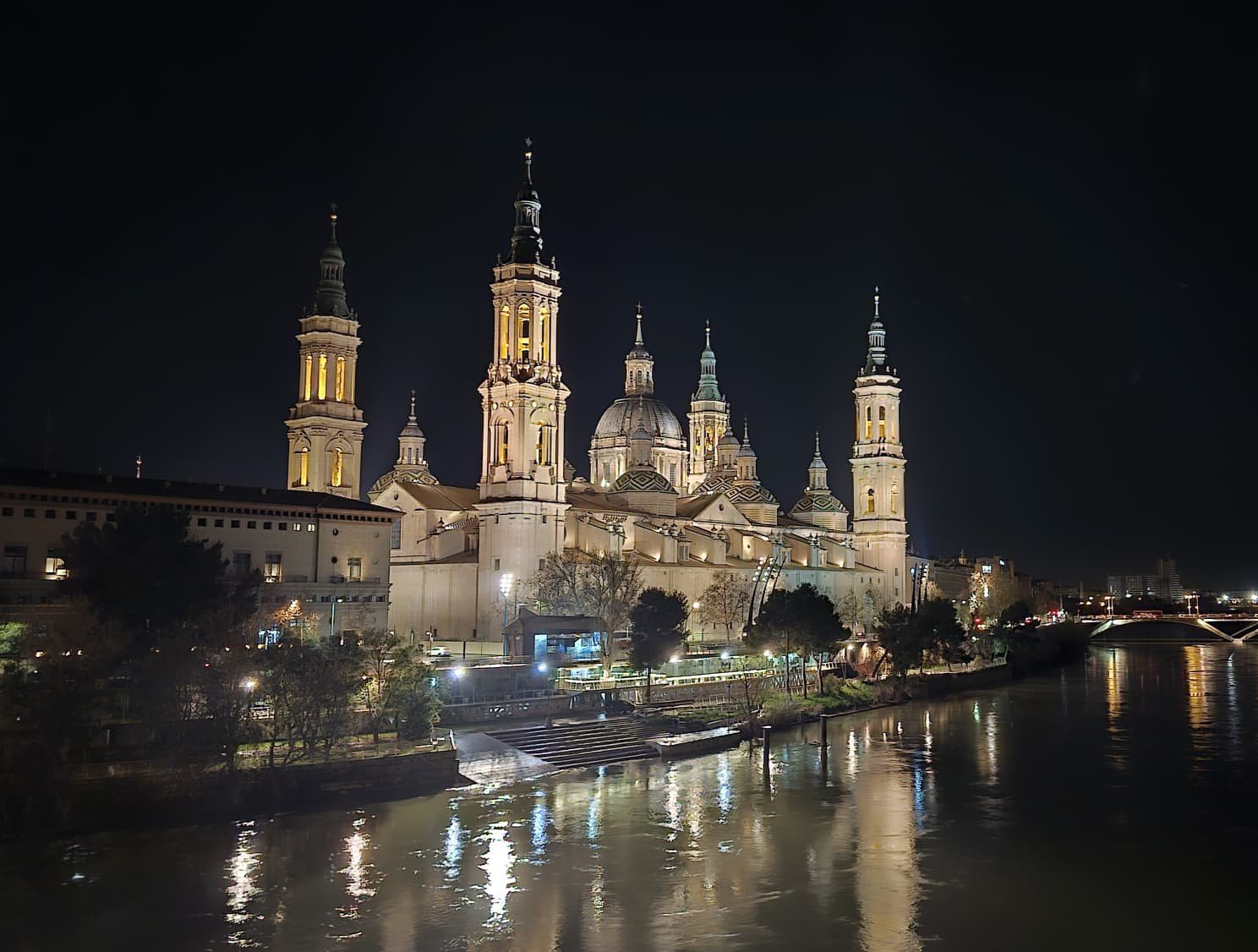
Cathedral-Basilica of Our Lady of the Pillar
According to ancient Christian tradition, Mary appeared to the apostle James the Greater as he was preaching in Spain. In 40 AD, while facing severe discouragement, St. James was praying on the banks of the Ebro River when the Blessed Mother appeared to him on a column, encouraging him to persevere in his missionary efforts. This apparition is unique because Mary would have bilocated while still alive in Jerusalem or Ephesus.
featuredChurch and Birthplace of St. Teresa of Jesus
This 17th-century church, run by the Discalced Carmelites, marks the spot where St. Teresa of Avila is believed to have been born. The church houses a museum dedicated to her life and works.
Church of St. Bernard
The fourteenth of 17 communities founded by St. Teresa of Avila, in 1580. It is likely the original convent is no longer in existence, though a church remains.
Church of the Birthplace of St. John of the Cross
Church in the town of St. John of the Cross's birth
Convent of Carmel
The sixth of 17 communities founded by St. Teresa of Avila, in 1569. St. John of the Cross may have written his Dark Night of the Soul and Ascent of Mount Carmel here. In 1836 the convent was confiscated by the Spanish government, but in 1855 was reoccupied by Conceptionist Franciscan nuns. Today it serves as a Conceptionist convent and Teresan museum.
Convent of Our Lady of Carmel
The fifteenth of 17 communities founded by St. Teresa of Avila, in 1581.
Convent of St. Anne
The thirteenth of 17 communities founded by St. Teresa of Avila, in 1580.
Convent of St. John of the Cross
St. John of the Cross founded the convent in 1588 and led the community as prior until 1591. His head and body are located in a side chapel. Although no longer an active monastery, the site serves as a sanctuary for spiritual exercises. Pope St. John Paul II visited the site in 1982.
Convent of St. Joseph
The third of 17 communities founded by St. Teresa of Avila, in 1568.
Convent of St. Joseph
The first of 17 communities founded by St. Teresa of Avila, in 1562. Visitors can explore the church, cloister, and St. Teresa's cell, now a chapel dedicated to prayer.
Convent of St. Joseph
The twelvth of 17 communities founded by St. Teresa of Avila, in 1576.
Convent of St. Joseph
The sixteenth of 17 communities founded by St. Teresa of Avila, in 1582. Co-founded with St. John of the Cross.
Convent of St. Joseph
The second of 17 communities founded by St. Teresa of Avila, in 1567, and also where she met and influenced St. John of the Cross. Now houses a museum.
Convent of St. Joseph
The ninth of 17 communities founded by St. Teresa of Avila, in 1574.
Convent of St. Joseph
The fifth of 17 communities founded by St. Teresa of Avila, in 1569.
Convent of St. Joseph and St. Anne
The last of 17 communities founded by St. Teresa of Avila, in 1582.
Convent of St. Joseph of Carmel (Las Teresas)
The eleventh of 17 communities founded by St. Teresa of Avila, in 1575. This convent does not appear open to the public.
Convent of St. Teresa
The fourth of 17 communities founded by St. Teresa of Avila, in 1568.
Convent of the Anunciation
The eigth of 17 communities founded by St. Teresa of Avila, in 1571, and also the place of her death in 1582. Today the main altarpiece houses St. Teresa's incorrupt heart and arm.
Metropolitan Archcathedral Basilica of Santiago de Compostela
This cathedral is the reputed burial place of St. James the Great, one of the twelve apostles. According to tradition, his tomb was rediscovered in 814 AD by St. Pelagius the Hermit. One of the most famous pilgrimage destinations in the world, it lies at the end of the Camino de Santiago, or Way of St. James. Today the church is the centerpiece of the larger Santiago de Compostela UNESCO World Heritage Site.
Monastery of Duruelo
The first monastery established by St. John of the Cross and Fr. Antonio of Jesus in 1568, using a small farmhouse which had been donated to St. Teresa of Avila. Soon the community outgrew the building, and moved to Mancera de Abajo in 1570, then Avila in 1600.
Monastery of St. Joseph in Las Bautecas
The seventh of 17 communities founded by St. Teresa of Avila in 1578. Its secluded setting reflects her desire for a life dedicated to prayer and contemplation. As noted on the official site - the Carmelite Desert, more than a geographical place, is an interior experience of solitude and contemplation. The monastery accepts pilgrims looking for a contemplative retreat. Guests are invited to participate in community prayers.
Monastery of St. Joseph the Savior
The tenth of 17 communities founded by St. Teresa of Avila, in 1575.
Monastery of the Incarnation
Founded in 1478, this Carmelite convent in Avila was where St. Teresa entered as a young woman and lived for 27 years. She took her vows here and began her journey as a mystic and reformer. The monastery features her cell, the Chapel of Transverberation and a museum dedicated to her life. St. John of the Cross spent notable amounts of time here as well, and during one session of prayer, received a vision of Christ on the Cross from "above." The saint's drawing remains at the museum.
Oratory of St. John of the Cross
In 1591, St. John of the Cross died here, the site of a former monastery. Today, there is a chapel housing his relics (a hand and leg) and a museum related to his life.
Spain
Avila Cathedral
Construction on the cathedral first began in the 12th century and continued up until the 17th century. As part of the Old Town of Avila, it was inscribed as a UNESCO World Heritage site in 1985.
Basilica of Sts. Vincent, Sabina and Cristeta
This basilica is built on traditional burial site of St. Vincent, a young deacon martyred for his faith in the 4th century under the reign of Diocletian. The church houses his relics and those of fellow martyrs Sts. Sabina and Cristeta.
Cathedral-Basilica of Our Lady of the Pillar
According to ancient Christian tradition, Mary appeared to the apostle James the Greater as he was preaching in Spain. In 40 AD, while facing severe discouragement, St. James was praying on the banks of the Ebro River when the Blessed Mother appeared to him on a column, encouraging him to persevere in his missionary efforts. This apparition is unique because Mary would have bilocated while still alive in Jerusalem or Ephesus.
featuredChurch and Birthplace of St. Teresa of Jesus
This 17th-century church, run by the Discalced Carmelites, marks the spot where St. Teresa of Avila is believed to have been born. The church houses a museum dedicated to her life and works.
Church of St. Bernard
The fourteenth of 17 communities founded by St. Teresa of Avila, in 1580. It is likely the original convent is no longer in existence, though a church remains.
Church of the Birthplace of St. John of the Cross
Church in the town of St. John of the Cross's birth
Convent of Carmel
The sixth of 17 communities founded by St. Teresa of Avila, in 1569. St. John of the Cross may have written his Dark Night of the Soul and Ascent of Mount Carmel here. In 1836 the convent was confiscated by the Spanish government, but in 1855 was reoccupied by Conceptionist Franciscan nuns. Today it serves as a Conceptionist convent and Teresan museum.
Convent of Our Lady of Carmel
The fifteenth of 17 communities founded by St. Teresa of Avila, in 1581.
Convent of St. Anne
The thirteenth of 17 communities founded by St. Teresa of Avila, in 1580.
Convent of St. John of the Cross
St. John of the Cross founded the convent in 1588 and led the community as prior until 1591. His head and body are located in a side chapel. Although no longer an active monastery, the site serves as a sanctuary for spiritual exercises. Pope St. John Paul II visited the site in 1982.
Convent of St. Joseph
The third of 17 communities founded by St. Teresa of Avila, in 1568.
Convent of St. Joseph
The first of 17 communities founded by St. Teresa of Avila, in 1562. Visitors can explore the church, cloister, and St. Teresa's cell, now a chapel dedicated to prayer.
Convent of St. Joseph
The twelvth of 17 communities founded by St. Teresa of Avila, in 1576.
Convent of St. Joseph
The sixteenth of 17 communities founded by St. Teresa of Avila, in 1582. Co-founded with St. John of the Cross.
Convent of St. Joseph
The second of 17 communities founded by St. Teresa of Avila, in 1567, and also where she met and influenced St. John of the Cross. Now houses a museum.
Convent of St. Joseph
The ninth of 17 communities founded by St. Teresa of Avila, in 1574.
Convent of St. Joseph
The fifth of 17 communities founded by St. Teresa of Avila, in 1569.
Convent of St. Joseph and St. Anne
The last of 17 communities founded by St. Teresa of Avila, in 1582.
Convent of St. Joseph of Carmel (Las Teresas)
The eleventh of 17 communities founded by St. Teresa of Avila, in 1575. This convent does not appear open to the public.
Convent of St. Teresa
The fourth of 17 communities founded by St. Teresa of Avila, in 1568.
Convent of the Anunciation
The eigth of 17 communities founded by St. Teresa of Avila, in 1571, and also the place of her death in 1582. Today the main altarpiece houses St. Teresa's incorrupt heart and arm.
Metropolitan Archcathedral Basilica of Santiago de Compostela
This cathedral is the reputed burial place of St. James the Great, one of the twelve apostles. According to tradition, his tomb was rediscovered in 814 AD by St. Pelagius the Hermit. One of the most famous pilgrimage destinations in the world, it lies at the end of the Camino de Santiago, or Way of St. James. Today the church is the centerpiece of the larger Santiago de Compostela UNESCO World Heritage Site.
Monastery of Duruelo
The first monastery established by St. John of the Cross and Fr. Antonio of Jesus in 1568, using a small farmhouse which had been donated to St. Teresa of Avila. Soon the community outgrew the building, and moved to Mancera de Abajo in 1570, then Avila in 1600.
Monastery of St. Joseph in Las Bautecas
The seventh of 17 communities founded by St. Teresa of Avila in 1578. Its secluded setting reflects her desire for a life dedicated to prayer and contemplation. As noted on the official site - the Carmelite Desert, more than a geographical place, is an interior experience of solitude and contemplation. The monastery accepts pilgrims looking for a contemplative retreat. Guests are invited to participate in community prayers.
Monastery of St. Joseph the Savior
The tenth of 17 communities founded by St. Teresa of Avila, in 1575.
Monastery of the Incarnation
Founded in 1478, this Carmelite convent in Avila was where St. Teresa entered as a young woman and lived for 27 years. She took her vows here and began her journey as a mystic and reformer. The monastery features her cell, the Chapel of Transverberation and a museum dedicated to her life. St. John of the Cross spent notable amounts of time here as well, and during one session of prayer, received a vision of Christ on the Cross from "above." The saint's drawing remains at the museum.
Oratory of St. John of the Cross
In 1591, St. John of the Cross died here, the site of a former monastery. Today, there is a chapel housing his relics (a hand and leg) and a museum related to his life.